علاء الدجاني
The Importance of Etiquette
In today’s fast-paced world, the role of etiquette is more significant than ever. Etiquette comprises the unwritten rules that govern social interactions, workplace conduct, and personal behavior. Understanding these rules can help you navigate complex social situations with ease and poise, enabling you to build rapport and foster positive relationships. Whether you are attending a formal event, participating in a business meeting, or simply interacting with friends and family, possessing good etiquette is vital for making a lasting impression.
Defining Modern Etiquette
Modern etiquette has evolved significantly over the years. While classical rules still hold relevance, contemporary dynamics require us to adapt our understanding of etiquette to various contexts. This includes recognizing the influence of technology on communication and behavior. Social media platforms have introduced new forms of interaction that often lack the nuances of face-to-face conversation. As such, incorporating courtesy into digital communication is crucial for maintaining respect and professionalism.
Key Areas of Focus in Etiquette
To effectively improve your etiquette skills, it is essential to focus on several key areas:
- Communication: Understanding verbal and non-verbal cues is fundamental. This includes practicing active listening, using polite language, and being mindful of body language.
- Dress Code: Depending on the occasion, appropriate attire can signal respect for others and awareness of social norms.
- Dining Etiquette: Knowing how to navigate a dining setting can be pivotal, especially in business contexts where meals might play a role in negotiating deals.
- Networking: Meeting new people and forming connections requires confidence and understanding of proper introductions and follow-ups.
- Conflict Resolution: Handling disagreements gracefully can prevent escalation and promote mutual respect despite differences in opinion.
Mastering Business Etiquette
In professional settings, good etiquette can differentiate between success and failure. First impressions are paramount; therefore, mastering business etiquette is crucial. When engaging in meetings or presentations, being punctual reflects reliability. Moreover, clear communication—whether through emails or verbal exchanges—should always bear a tone of professionalism. Addressing colleagues respectfully ensures a positive workplace atmosphere.
Simplifying Social Interactions
In personal contexts, showing empathy and kindness enriches your interactions with others. A simple “thank you” or congratulations can go a long way; acknowledging someone’s efforts fosters goodwill. Additionally, being mindful of personal space and emotional cues demonstrates respect for others’ feelings. Small acts of kindness not only uplift spirits but also reinforce strong interpersonal bonds.
Utilizing Resources for Improvement
If you wish to delve deeper into enhancing your etiquette profile, various resources are available that provide guidance on specific aspects of etiquette. Engaging with experts or attending workshops can boost your confidence significantly. A comprehensive platform for this is specifically tailored for individuals seeking to refine their etiquette skills—check out https://theetiquetteconsultant.net/ as an excellent resource for dedicated guidance and support.
The Benefits of Effective Etiquette
The advantages of mastering etiquette extend well beyond social niceties; they significantly impact your personal and professional life by building trust and facilitating collaboration among peers. Developing excellent manners opens up opportunities that would otherwise be unavailable to those who may struggle with these concepts. Cultivating such skills contributes to overall success and satisfaction in various areas of life.
“Etiquette is the art of respecting others.” — Anonymous
Your Path Forward
Improving your etiquette doesn’t require drastic changes overnight; rather, it involves consistent practice and self-awareness. By gradually implementing these key principles into your daily interactions, you will start noticing transformative effects. Remember that every interaction presents an opportunity to demonstrate respect and positivity toward others. With effort and dedication toward refining your etiquette skills, you will elevate every aspect of your life.
Understanding Cultural Differences in Etiquette
Etiquette is not a one-size-fits-all concept, as it varies significantly across cultures. Navigating these differences requires cultural sensitivity and a willingness to learn. For instance, body language considered appropriate in one culture may be deemed offensive in another. In Japan, bowing is a traditional greeting that shows respect, while in the United States, a firm handshake is the norm. Understanding these nuances prepares you to engage more effectively with international clients and colleagues.
A critical aspect of mastering cultural etiquette is recognizing the importance of context. Different settings—formal versus informal gatherings—demand different behaviors. For example, at a formal dinner in France, the arrangement of utensils and serving style follows specific customs that can vary from casual settings. By making an effort to learn about the etiquette rules relevant to the cultures of those around you, you demonstrate not only respect but also a genuine interest in building meaningful relationships.
The Role of Nonverbal Communication
Nonverbal communication plays a pivotal role in etiquette and can often speak louder than words. Facial expressions, eye contact, and posture contribute significantly to how your message is received by others. A warm smile can invite conversation, while crossed arms might suggest defensiveness or disinterest. Being aware of your nonverbal signals allows you to align your verbal messages with appropriate gestures that reinforce your intentions.
Furthermore, active listening—essential in effective communication—is heavily influenced by nonverbal cues. Nodding your head, maintaining appropriate eye contact, and leaning slightly towards the speaker can indicate engagement and understanding. Developing nonverbal communication skills enhances your overall etiquette by helping you convey sincerity and attentiveness in all interactions, whether personal or professional.
Practicing Etiquette in Digital Communications
In today’s digital age, etiquette extends beyond face-to-face interactions into the realm of online communications. Email correspondence, social media interactions, and virtual meetings each carry their own set of unwritten rules that rely on etiquette principles. For instance, using proper salutations and maintaining a professional tone in emails plays a crucial role in establishing credibility and respect. Likewise, responsiveness reflects courtesy; failing to reply promptly can unintentionally signal disinterest.
Moreover, when participating in virtual meetings, being mindful of your background, lighting, and attire mimics the respect afforded in physical meetings and demonstrates professionalism. Excluding distractions during discussions shows respect for other participants’ time and effort. As we continue to integrate technology into our daily lives, refining digital etiquette becomes essential for successful communication in both personal and professional spheres.
عن المؤلف

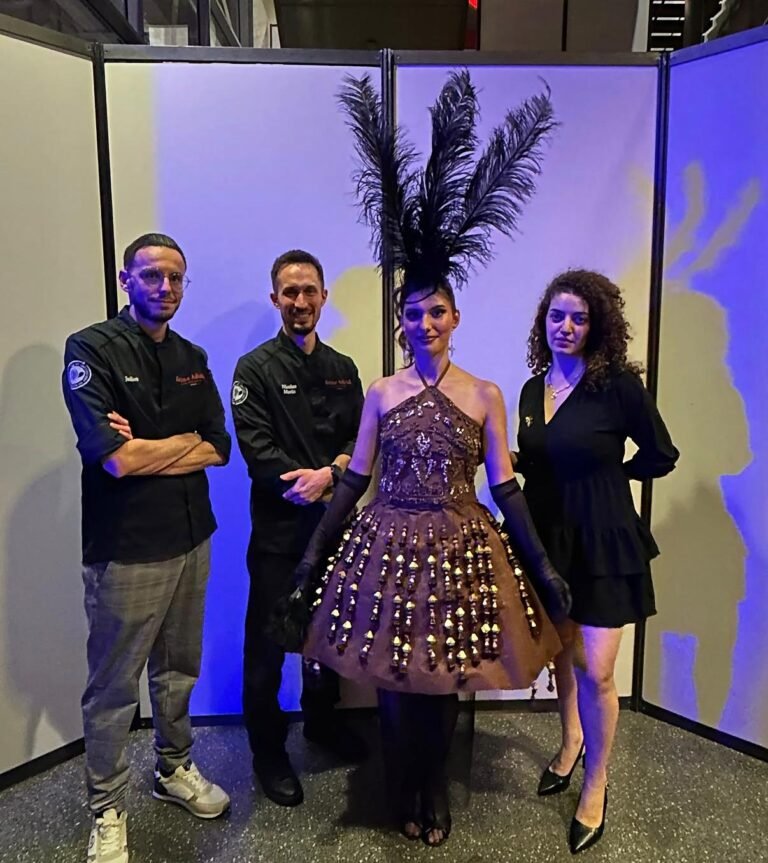
 Zouheir Chehab - Directeur du bureau de France